







How to Choose the Right Charger for Your Phone — A Complete Guide for Users

How to Choose the Right Mobile Charger for Your Phone in India
Confused by watts, volts, GaN, and fast charging? This guide explains everything in plain English so you never buy the wrong charger again.
📋 In This Guide
- Why your charger matters more than you think
- Understanding wattage (W) — the most important number
- Fast charging explained: What does 18W, 33W, 65W mean?
- What is a GaN charger, and do you need one?
- Charger vs cable — why both matter
- Types of chargers in India
- How to pick the right charger for YOUR phone
- FAQs
Why Your Charger Matters More Than You Think
Most people treat chargers as an afterthought. They lose the original one, grab whatever is cheapest, and move on. But the charger you use every day directly affects how fast your phone charges, how hot it gets, and — over time the health of your battery.
A cheap, uncertified charger can deliver unstable power that degrades your battery faster. On the other hand, the right charger can take your phone from 0 to 50% in under 30 minutes.
⚠️ Important: Never use a charger that is not BIS certified in India. Uncertified chargers are a fire risk and can permanently damage your phone's battery.
Understanding Wattage (W) — The Most Important Number
When you see a number like 18W, 33W, or 65W on a charger, that's the wattage how much power it can deliver at its peak. Higher wattage generally means faster charging.
But here's the key: your phone controls how much power it actually draws. A 65W charger plugged into a phone that only supports 18W fast charging will still only charge at 18W; it won't damage the phone. This means buying a higher-wattage charger than your phone needs is totally safe and useful if you ever upgrade your phone.
| Wattage | Typical Use | 0–100% Time (Est.) |
|---|---|---|
| 5W | Basic/old phones | 2.5 – 3.5 hours |
| 18W | iPhone 12, older Android | 1.5 – 2 hours |
| 33W | Redmi, Realme, Samsung mid-range | 60 – 80 minutes |
| 65W | OnePlus, flagship Xiaomi, iQOO | 35 – 50 minutes |
| 120W+ | Gaming phones, ultra-flagships | Under 30 minutes |
Fast Charging Explained: What Do 18W, 33W, 65W Actually Mean?
Fast charging is a technology that increases the power delivered to your battery during the first 50–80% of a charge cycle, then slows down to protect the battery. Most modern smartphones from 2019 onward support some form of fast charging.
Common fast charging standards in India:
Qualcomm Quick Charge (QC) — Used in many Android phones (Redmi, Realme, Poco, Samsung). Look for QC 3.0 or QC 4.0 support.
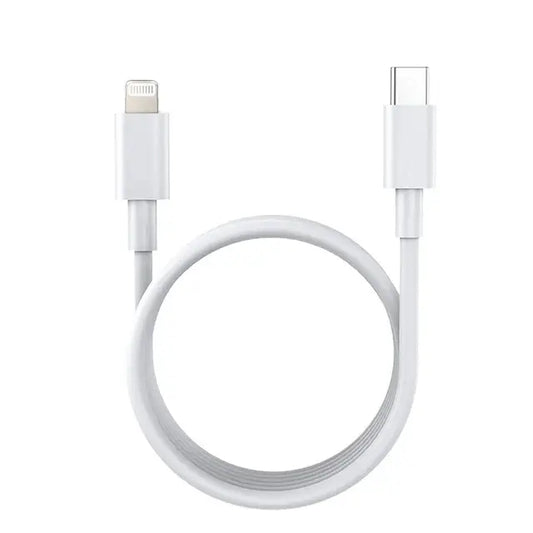
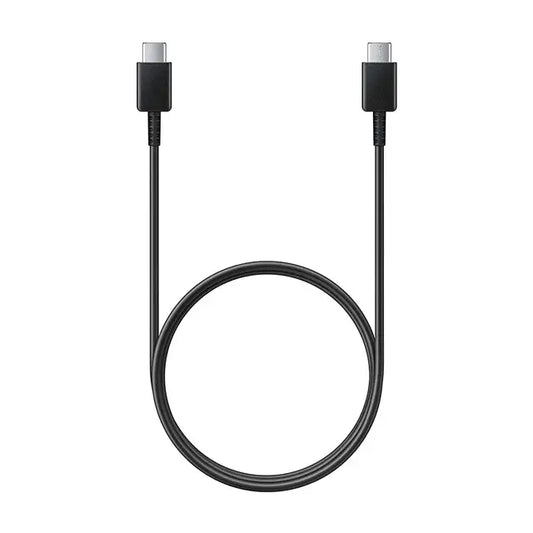
USB Power Delivery (USB-PD) — Used in iPhones (iPhone 8 and above), Google Pixels, and many laptops. You need a USB-C to Lightning or USB-C to USB-C cable with a USB-PD charger.
Proprietary fast charging — OnePlus (SUPERVOOC), Xiaomi (HyperCharge), OPPO (VOOC) all have their own standards. These usually require the brand's own charger for maximum speed.
💡 Pro Tip: Check your phone's box or settings under "Battery" to see what fast charging standard it supports. Then match your charger to that standard for the fastest possible charge.
What is a GaN Charger and Do You Need One?
GaN stands for Gallium Nitride a semiconductor material that is more efficient than the traditional silicon used in older chargers. The result is a charger that runs cooler, wastes less energy, and can be made much smaller without sacrificing power.
GaN vs Traditional Charger — Key Differences:
| Feature | Traditional Charger | GaN Charger |
|---|---|---|
| Size | Bulky | Compact & lightweight |
| Heat | Gets warm / hot | Stays cool |
| Efficiency | ~85% | ~95% |
| Multi-port | Limited | Common (2-3 ports) |
| Price | Lower | Slightly higher |
| Best For | Basic home use | Travel, desk, power users |
✅ Our Verdict: If you charge multiple devices at your desk or travel frequently, a GaN charger is absolutely worth the extra cost. It charges faster, runs cooler, and saves space.
Charger vs Cable — Why Both Matter
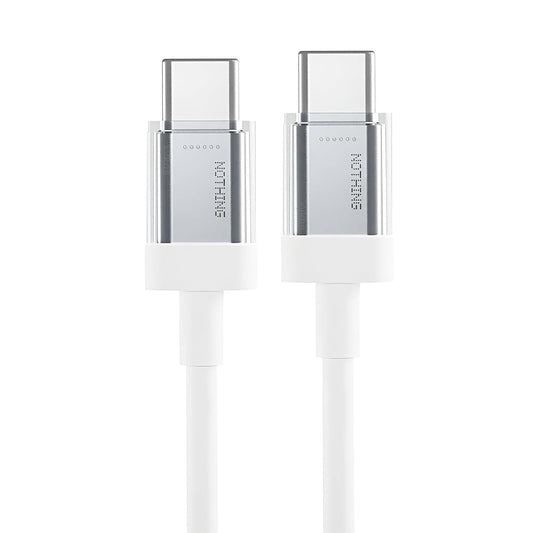
This is one of the most overlooked points: your charging speed is limited by whichever component — charger or cable — has the lower rating. A 65W GaN charger paired with a cheap 5W cable will still only charge at 5W.
Always check:
→ Your cable's wattage rating (printed on the cable or packaging)
→ Whether it supports USB-C Power Delivery if you have an iPhone or a flagship Android
→ Cable length — longer cables (2m+) can have slightly higher resistance, slightly reducing speed
Types of Chargers Available in India
🔌 Wall Charger (Most Common)
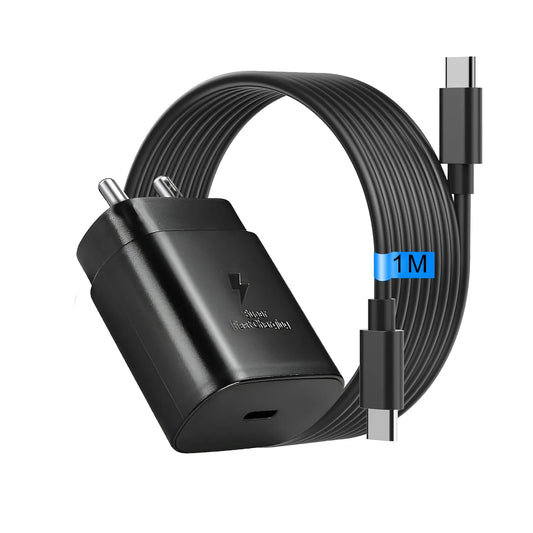
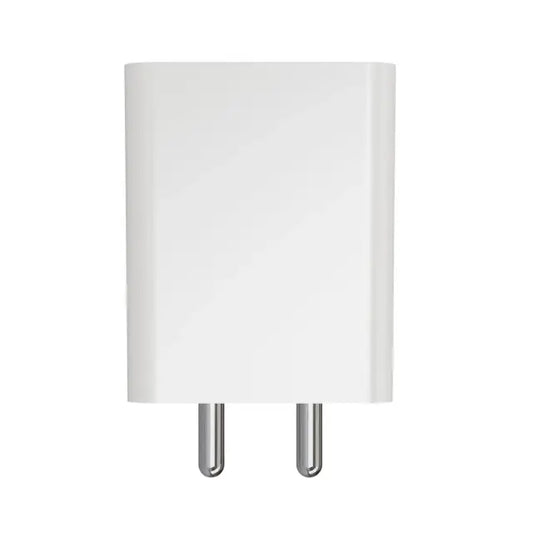
Plugs into a wall socket. Available from 5W to 120W+. Best for home and office use. Choose based on your phone's max supported wattage.
🚗 Car Charger
Plugs into your car's cigarette lighter or USB port. Essential for long drives. Look for one with at least 18W output so you charge while you drive, not just trickle.
📡 Wireless Charger
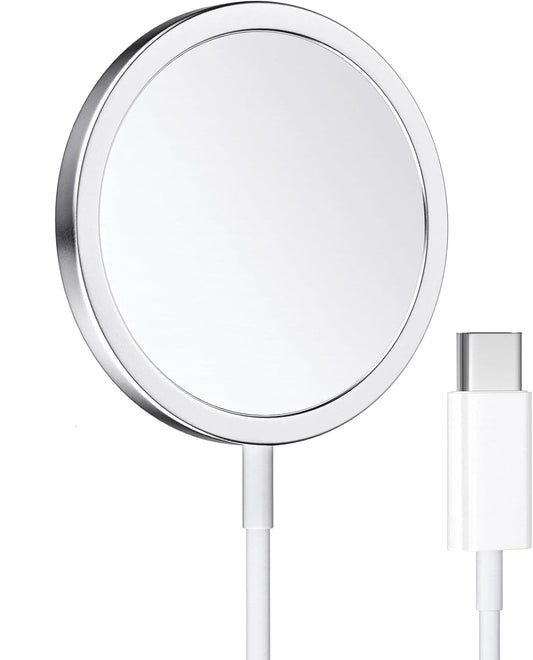
No cables needed — just place your phone on the pad. Supports Qi and MagSafe standards. Slower than wired (typically 7.5W–15W) but very convenient for nightstands.
🔋 Multi-Port Charger
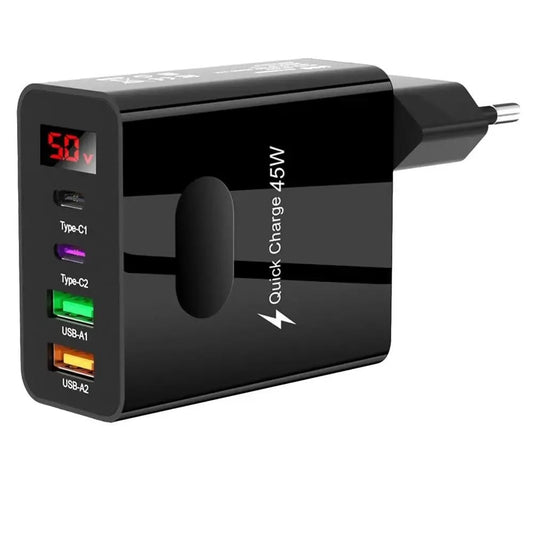
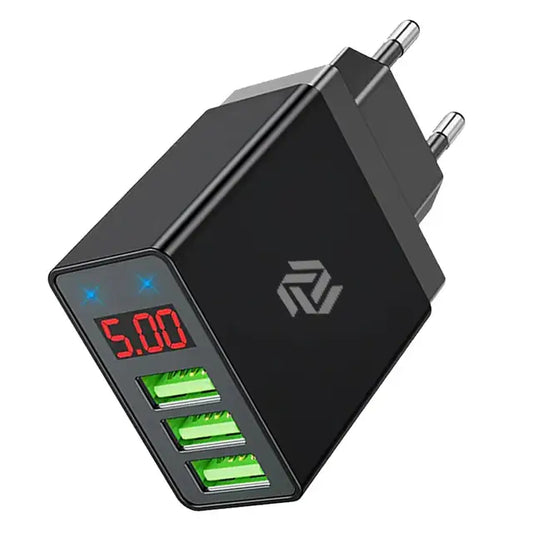
Charges 2–4 devices from one plug. Great for families or desks. GaN technology has made these compact enough to travel with.
How to Pick the Right Charger for YOUR Phone
✅ Your Simple 5-Step Checklist
Find your phone's max charging wattage. Check the phone's settings → Battery, or Google "[your phone model] fast charging wattage".
Match the charging standard. Does your phone use Quick Charge, USB-PD, or a proprietary standard? Buy a charger that supports it.
Choose the right connector. USB-C is now standard on most Android devices and new iPhones. Older iPhones need Lightning. Older Androids may still use Micro-USB.
Check for BIS certification. Always buy BIS-certified chargers in India. This is a government safety standard. Non-certified chargers are a risk.
Consider future-proofing. Buying a 65W GaN charger today means it'll still work perfectly when you upgrade your phone next year.
🛍 Shop Muvit India
Find Your Perfect Charger
Muvit offers a full range of BIS-certified wall chargers, GaN chargers, car chargers, and wireless chargers all at honest prices.
Shop Chargers →Frequently Asked Questions
Can using a higher wattage charger damage my phone?
No. Modern smartphones have built-in charging controllers that regulate how much power they draw. A 65W charger will only deliver what your phone requests it cannot force extra power into your phone.
Is it okay to charge my phone overnight?
Modern phones stop charging at 100% and switch to a trickle to maintain the level. However, keeping your phone at 100% for long periods can slightly stress the battery over time. Many phones now have a "smart charging" or "optimised charging" mode that stops at 80% overnight. Use it if available.
What is the difference between a charger and an adapter?
In everyday use, people use these terms interchangeably. Technically, the wall unit that plugs into the socket is the adapter (it converts AC power to DC), and the cable connects your phone to it. Together they form the charging system.
Why does my phone charge faster with some chargers than others?
Because fast charging only works when your phone, charger, and cable all support the same fast charging standard. If any one of the three doesn't support it, you fall back to basic 5W charging.
Are GaN chargers safe?
Yes — GaN chargers are actually safer than traditional silicon chargers because they run cooler and waste less energy. Always buy from a reputable brand with BIS certification.
What charger should I buy for an iPhone in India?
iPhone 8 and above support USB Power Delivery fast charging. You need a USB-C charger (18W or higher) and a USB-C to Lightning cable (for iPhone 14 and earlier) or a USB-C to USB-C cable (for iPhone 15 and later). A 20W–30W GaN charger is the sweet spot for most iPhones.
Where can I buy a good mobile charger in India?
Muvit India offers a full range of BIS-certified chargers, including GaN, wall, car, and wireless options. Visit www.muvit.in for the full collection with fast pan-India delivery.